Thursday March 26, 2026 | 8:00 pm | 10 sliding
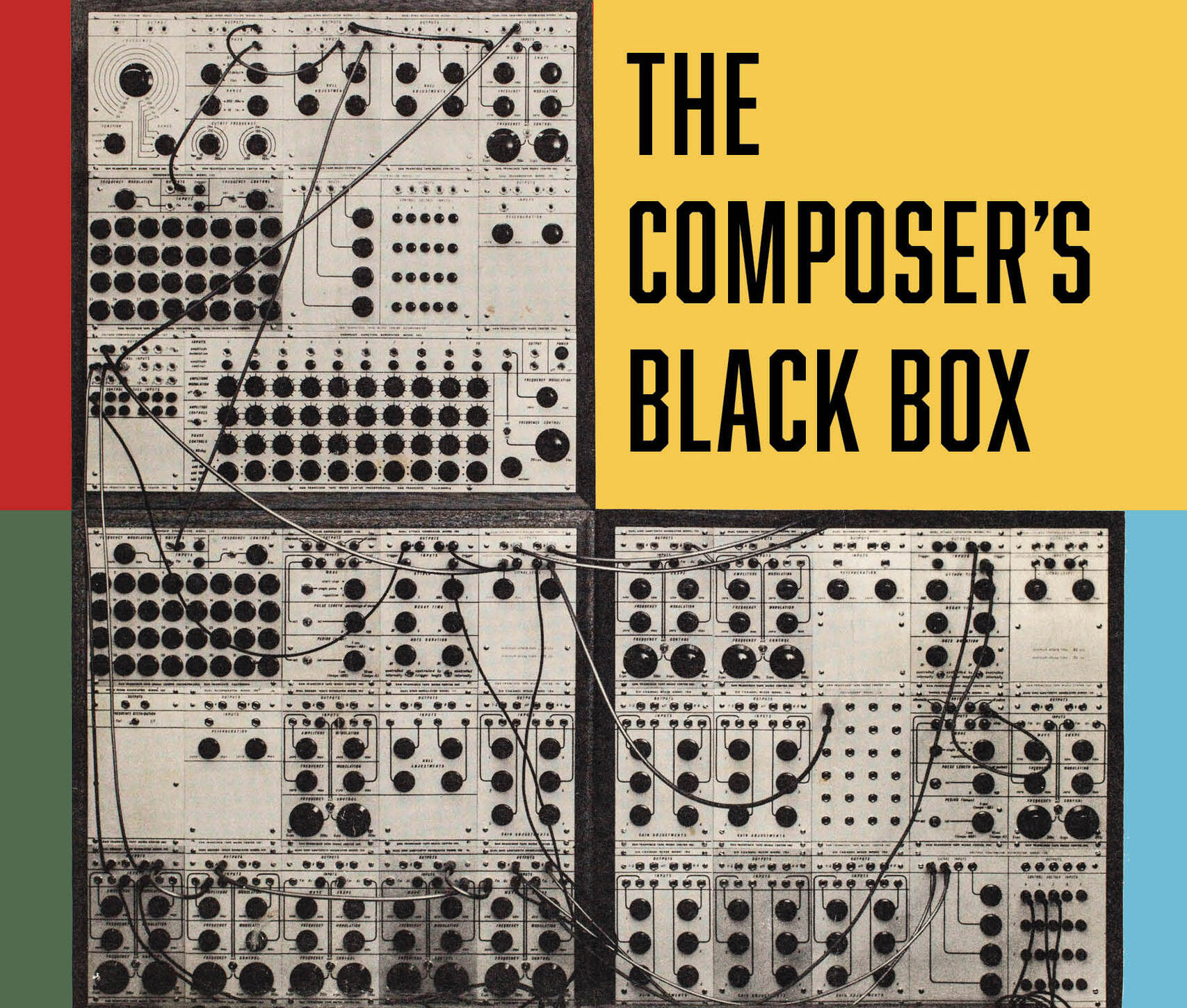
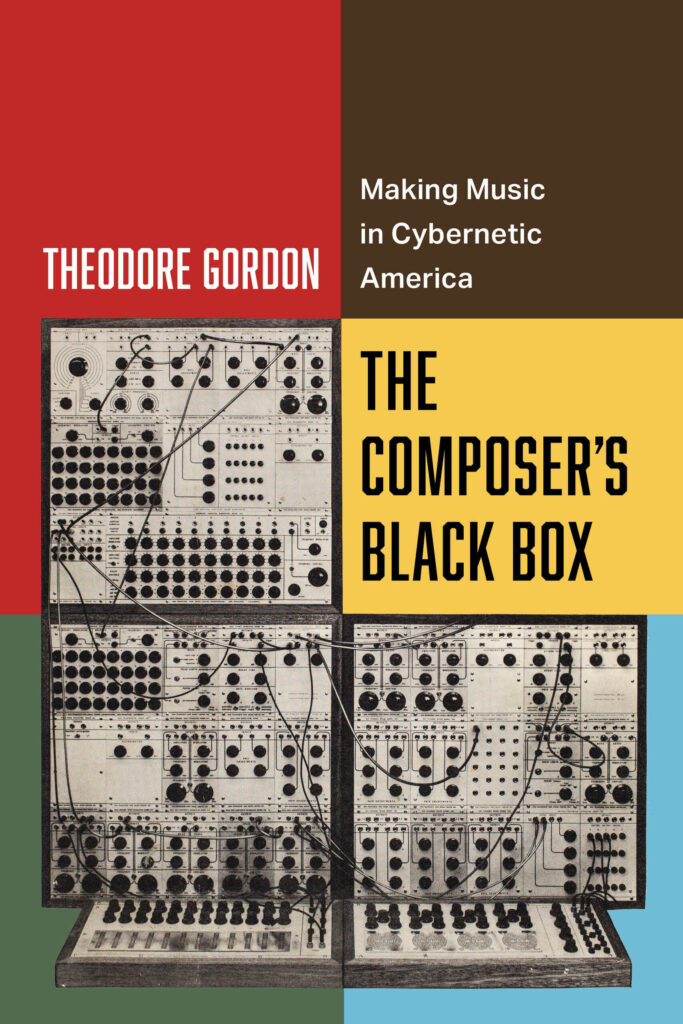
A book, a world, a history a system of systems: THE COMPOSER’S BLACK BOX
Making Music in Cybernetic America. AN EVENING WITH THEODORE GORDON and musical guests
••••••
Stories about new musical instruments are often told as quests for new kinds of sounds. The Composer’s Black Box asks, What happens when new musical instruments produce not only new sounds but also new dynamics of musical agency and control?
•••••••••
People who are interested in this new book by Theodore Gordon AND people who enjoy LISTENING to new systems demonstrated will enjoy this evening which begins at 8:30. The bookstore and lobby for the Red Room, Normals Books, will open at 8PM. Copies of the book will be available.
•••
THIS EVENING will be a talk about the ideas in the new book The Composer’s Black Box, by the author Theodore Gordon
AND some conversation with musicians about the ideas in the book…
AND some musical sets with
Theodore Gordon (author, moderator, modular synthesizer),
CK Barlow (digital live sampling system),
Tom Boram (modular synthesizer)
and possibly Sam Pluta (self written code-instrument/live sampling, etc)
•
— ••• ••• —
–these were the most “new paradigm of cybernetic music-making” folks I could easily put together for this evening and they (as you probably already know?) are ALWAYS a pleasure to hear. (-M.C.S. H.Z. Przdnt)
— ••• ••• —
•
100% of the money asked for at this show goes to the musicians. Generally we ask for 10 or more dollars, preferably in CASH.
Please join High Zero’s Patreon !
•
“How can information systems make music? And when they do what happens to composers? This fascinating book reveals how electronic music cracked open questions of what it meant to be human at the dawn of the digital age. Read it, and you’ll never hear a synthesizer quite the same way again.”—Fred Turner, author of The Democratic Surround: Multimedia and American Liberalism from World War II to the Psychedelic Sixties
“In this electrifying study, Theodore Gordon convincingly portrays the musical instruments of the 1960s as experimental tools for rethinking creative agency. Reveling in the jetsam of the military industrial complex, this book’s artists, misfits, and dreamers launched new quests for uncertainty that ever deepened the eternal problem of control and chance.”—Ben Piekut, author of Henry Cow: The World Is a Problem
“Gordon tells five compelling stories of musical creativity and cybernetics in the Information Age. But this is not a tale of technological determinism. The Composer’s Black Box shows us not how music was shaped by oscillators, circuit boards, and voltage controls but how deeply all of this depended on the imaginations of the people who used these technologies, their diverse notions of agency, and, ultimately, their visions of freedom and control.”—Emily I. Dolan, author of The Orchestral Revolution: Haydn and the Technologies of Timbre
“At last we have a detailed, sophisticated history of the impact cybernetic thinking had on the music of the 1960s, 1970s, and beyond. Gordon’s book represents an important intervention into postwar music history—one that is as urgent as ever, given cybernetics’ role in laying the groundwork for contemporary digital culture.”—Eric Drott, author of Streaming Music, Streaming Capital
“The Composer’s Black Box offers a new and significant examination of what it means to be a composer (or ‘musicking human subject’) in a cybernetic world. The book enriches our histories of music technology while addressing broader questions of composerly subjectivity and identity, showing how these are deeply entangled with musical instruments with agentic capabilities of their own. Bringing new evidence to light on Subotnik, Buchla, Oliveros, Lucier, Moog, and Sun Ra, Gordon revises our understanding of what these figures were up to and navigating at formative points in their careers. His in-depth look at these musicians adds up to a new view of music and the impacts of technoscience on culture.”—Deirdre Loughridge, author of Sounding Human: Music and Machines, 1740/2020